Fort Worth fence and deck removal is a frequent task across Tarrant County as weathered lumber bows, fasteners loosen, and joists begin to fail. When repairs stop making sense, a planned teardown gives you a clean slate for a safer yard and a better-looking property. The smoothest projects follow a simple plan—survey the structure, choose the tools, arrange a roll off, stage debris, and load once. This guide walks you through each decision with local considerations so you can complete the work without torn turf, bent nails underfoot, or surprise fees.
Why Careful Removal Matters in Fort Worth
Good removal protects people, pets, and nearby structures. Old rails hold hidden fasteners and splinters, and posts can kick outward when tension is released. If you pry the wrong board first, you can crack patio concrete, mark siding, or pull-out chunks of soil around footings. A deliberate plan preserves your lawn and keeps the work zone organized, which reduces hours on site. Sorting as you go also trims disposal costs because compact stacks make better use of your container and cut the number of hauls.
Plan The Work in the Right Order
Think top down and light to heavy. Detach small pieces and hardware before moving structural elements. Keep the work corridor clear and set a boundary so kids and pets stay indoors while sections are unstable. Call Texas 811 to mark utilities before you touch posts or footings. Wear gloves and eye protection and park a small bin near the site for screws, brackets, and nails so sharp items never migrate into the grass. A tidy path from tear down to container keeps trip hazards low and speeds every turn.
Tools That Speed Safe Removal
A flat pry bar and a cat’s paw handle stubborn nails without chewing up boards. An impact driver with assorted bits backs out screws quickly. A reciprocating saw with metal and wood blades slices through corroded fasteners and deck hangers. A utility knife scoring along paint lines prevents chipping at trim. For posts, a jack or post puller saves backs, and a sledge helps break loose old concrete collars. Round out the kit with a magnet sweeper, a wheelbarrow or hand truck, chisels, and a first aid kit. If a deck ledger ties into the house, proceed slowly to avoid damaging flashing or siding; if you uncover rot at the rim, pause for assessment before you continue.
Where A Dumpster Fits in the Workflow
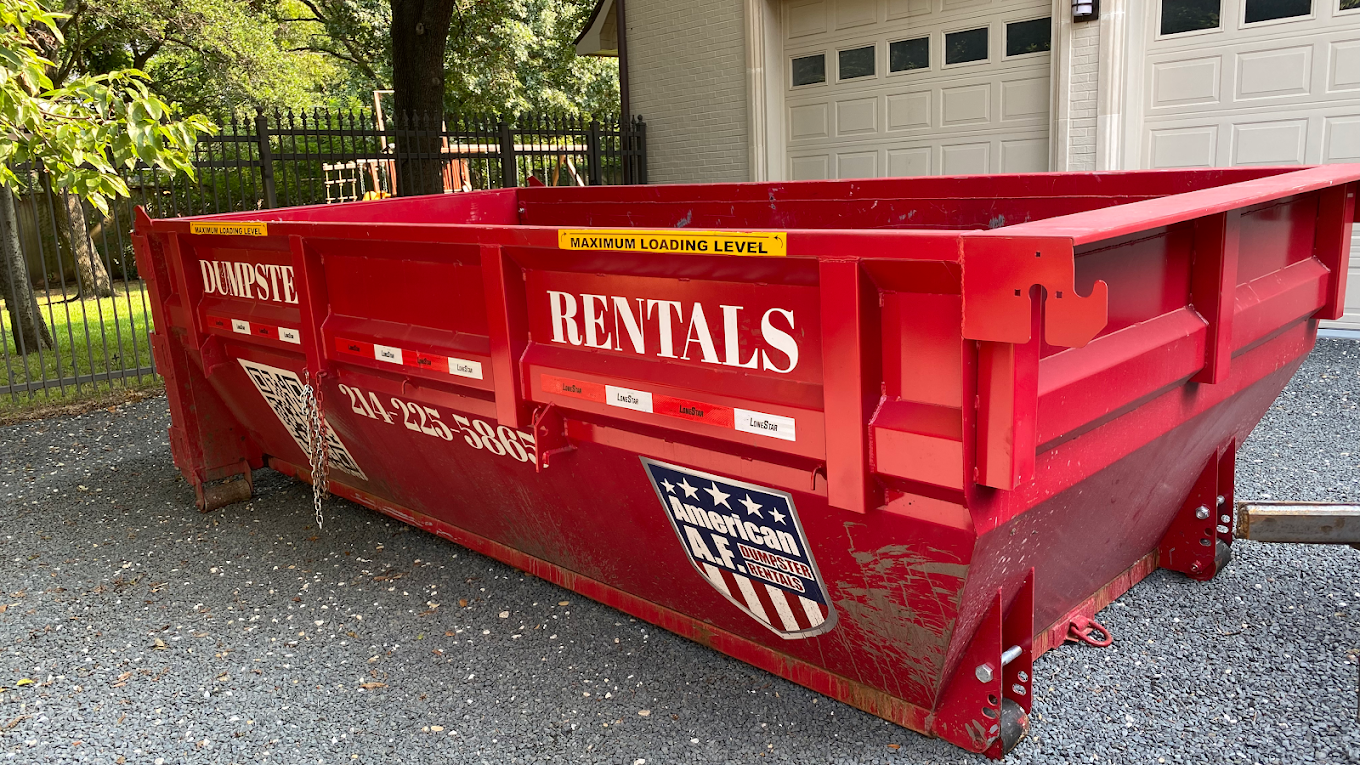
Fence panels, rails, deck boards, and joists create bulky, awkward stacks that quickly overwhelm a driveway. A roll off parked on the slab lets you carry each piece once, keeps nails contained, and eliminates multiple landfill trips. Most homes use driveway placement with boards or mats under rails to protect the surface. For a short front fence or a compact deck, a ten-yard box is often enough. A full yard fence or mid-sized deck pairs well with a twenty yard. If you plan to remove a long fence and a deck together, a thirty yard prevents overflow, and very large properties or combined demo jobs may justify a forty. Confirm the included tonnage and rental window so your schedule and budget align.
Key Factors Before You Start
Structure And Material Mix
Cedar and treated pine are common, but you may also find composite boards, lattice, or metal panels. Mixed materials change weight and how you stack. Keep steel brackets and hinges separate; they lie flat and may be recyclable.
Footings And Post Depth
Fence posts often sit eighteen to twenty-four inches deep, while deck footings can extend much farther. Some posts are sleeved in concrete; others are set on brackets. Deeper or wider footings add time and disposal weight, so plan labor accordingly.
Access For Delivery and Loading
Measure gate openings and driveway length. Trim low branches near the set location and move vehicles to the street. A clear path keeps the driver efficient and helps avoid placement fees or rescheduling.
Container Size and Capacity
A ten yard holds small bundles and short rails. A twenty yard covers most perimeter fences or decks up to about three hundred square feet. A thirty yard fits both in one pull. Cut boards to nest flat and you will be surprised how much the container accepts.
Timeline Weight and Pricing
Local pricing combines a base rate, an included ton allowance, extra ton charges, and a rental period. Wet lumber weighs more, and metal hardware adds pounds. Ask for the weight cap and daily extension rate so you can choose the right window.
Neighborhood and City Rules
Some associations want notice for visible containers, and street placement can require a right of way permit. Check rules before you schedule to avoid fines or delivery delays.
Fence Removal Steps That Prevent Damage
Begin with gates and hardware. Remove hinges, latches, and frames, and place metal in its own stack. Move along the run and take panels or pickets next. If they are screwed, back out fasteners; if nailed, pry from the rail side so the line stays stable while you work. Once the faces are off, remove rails and stringers and stack them flat to save space. Finish with posts. Rock each to loosen soils and pull with a jack where possible. For concrete footings, dig around the collar and remove manageable pieces. Backfill or cap holes so no one steps into a void.
Dumpster Size Guide for Fort Worth Projects
| Dumpster Size: | Best Use Cases: | Notes on Fit & Weight |
| 10-yard dumpster | Short front fence or compact deck. | Small footprint, easy to fit in most driveways. |
| 20-yard dumpster | Full yard fences or medium decks. | Fits most driveways; good balance of size and capacity. |
| 30-yard dumpster | Removing a deck and a long fence in the same week. | One delivery and pickup saves time and hassle. |
| 40-yard dumpster | Expansive properties, multiple structures, or paired with interior demo. | Highest volume; confirm weight vs. volume with provider to avoid overage fees. |
Local Notes for Soil Heat and Weather
Fort Worth clay swells when wet and shrinks when dry, which changes how posts release and how equipment sits. After storms, use boards under jacks and under container rails to spread force. In peak summer, schedule an early morning set so the slab is cooler and less prone to imprinting. Keep tarps ready to cover stacks between sessions so lumber stays dry and lighter. If you live in a planned community, review work hour rules, parking expectations, and any guidance for visible containers.
Safety Practices for Homeowners and Helpers
Lift with legs, not backs, and team lift long joists or beams. Keep a charged fire extinguisher nearby when cutting. Do not place pressurized cylinders, solvents, or old paint in the container. Very old, treated lumber can have special handling rules, so ask your provider. Sweep the driveway at breaks and run a magnet over the work zone to keep nails out of tires and paws. In summer, rotate shade breaks, drink water often, and stop immediately if anyone feels lightheaded.
Smart Loading Tips That Save Space and Money
- Cut long boards to nest flat, layer deck boards first, rails second, posts last, and drop metal in at the end to fill gaps
- Load evenly from front to back and stop at the fill line so the tarp closes and the hauler can retrieve the container without rework
Closeout Checklist for a Tidy Yard
Confirm pickup in advance so the driver can retrieve on your target day. Sweep the slab and curb, then run your magnet one last time. Photograph the cleared area for your records. If you plan to rebuild, mark your new layout while the space is open; this makes ordering materials easier and helps you set accurate posts when the next phase begins.
Frequently Asked Questions About Fort Worth Fence and Deck Removal
What order should I follow so the structure does not shift unexpectedly?
Work from the top down and from light to heavy. Remove gates and hardware, then panels or deck boards, then rails or joists, and finish with posts and footings. Keeping weight low and centered reduces sudden movements.
How do I tell if the deck ledger is safe to remove without harming the house?
If wood fibers feel soft or flake, pause and evaluate before pulling fasteners. Protect flashing with a putty knife while loosening bolts so you do not tear the waterproofing.
What is the best way to extract fence posts set in concrete?
Dig a ring an inch or two outside the footing, then lever the mass free in small moves. Where soil grips hard, cut the concrete collar into sections with a masonry blade so you can lift pieces safely rather than wrestling the full weight.
How can I keep nails and screws out of the lawn during tear down?
Set a magnet tray near your work, deposit fasteners as you go, and sweep the ground with a rolling magnet at breaks. Place a tarp under your sawhorses to catch stray hardware and fold it carefully when you relocate.
Which dumpster size suits a typical backyard deck removal?
Most decks up to about three hundred square feet fit a twenty-yard container when boards are cut and stacked flat. If you are also removing a long fence run, step to a thirty yard to complete both tasks in a single haul.
Smart Prep for a Smooth Removal
Old fences and decks create heavy debris fast. Protect your driveway, stage piles near the container, and sort wood from metal before loading. A planned setup keeps the job efficient and reduces stress.
Book a Dumpster for Your Fort Worth Yard
Reserve a roll off before demolition begins and match pickup with your project timeline. With clear pricing and timely delivery, your cleanup stays simple and on budget.